For travellers in search of unique experiences, Fujairah is a rare gem: a destination where the Bedouin spirit still thrives beneath the veneer of modernity, where every stone tells a thousand-year-old story, and where Emirati hospitality can be savoured in its purest form. Discover our guide to transforming your stopover in Fujairah into a memorable adventure, far from the beaten track of mass tourism.
Before we go any further, here are the most popular activities in Fujairah :
Fujairah Heritage Village: A quick trip to the heart of Bedouin culture
Your time machine awaits you, free of charge
Imagine being able to glimpse three centuries of Emirati history in less than an hour, without spending a dirham. That's exactly what Fujairah Heritage Village offers, an open-air museum nestled at the foot of an imposing 16th-century fort. Created around 1990, when rapid modernisation threatened to engulf the collective memory, this reconstructed village jealously preserves the Bedouin and coastal way of life before the discovery of oil.
An authentic setting that captures the imagination
As soon as you step through the entrance, the traditional coral stone and clay houses instantly transport you back in time. The roofs made of woven palm leaves (barasti) filter the desert light with an efficiency that modern air conditioning can never match. In the majlis, the guest rooms where tribal alliances and trade agreements were once forged, you can almost hear the echoes of lively discussions over cardamom coffee.
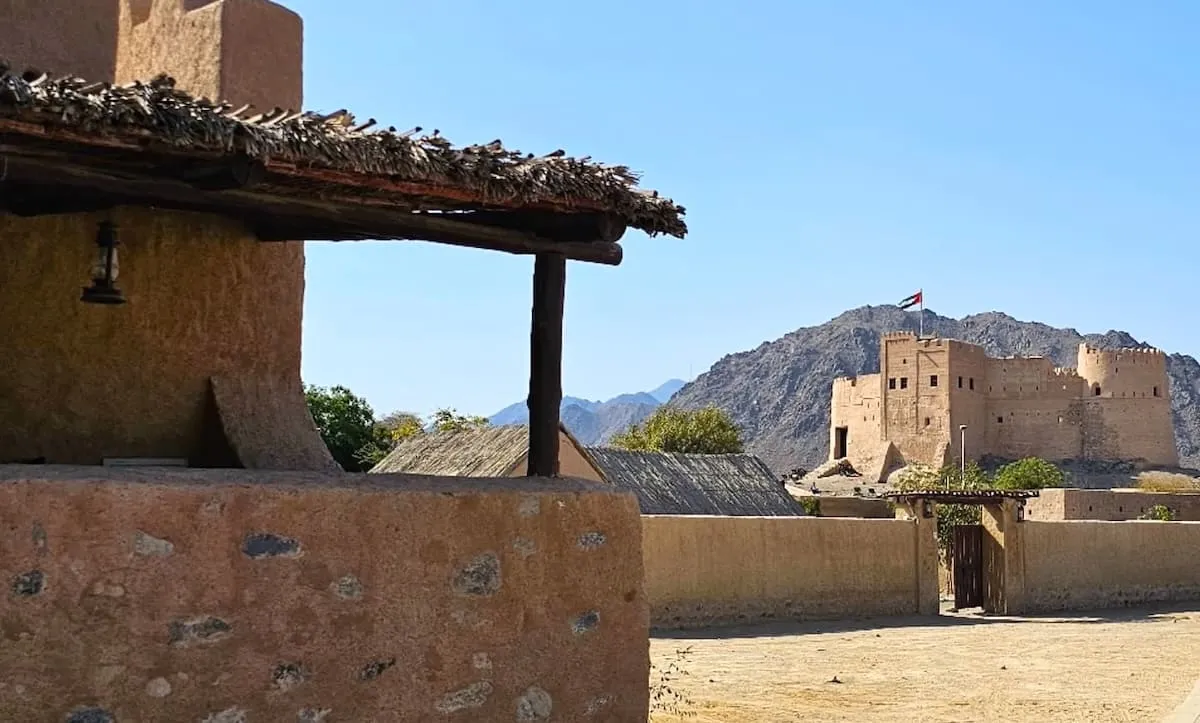
The miniature mosque, the grain mill powered by human strength, the deep wells dug into the rock, the pens where a few goats still bleat: each element paints a vivid picture of a time when survival in this hostile climate required constant ingenuity. The craft exhibitions reveal fascinating skills: the complex weaving of camel saddles, pottery made using ancestral techniques, and the delicate distillation of rose water, which still perfumes Emirati homes today.
The view is worth the detour
Climb up to the viewing points. The view alone is worth the visit: the 16th-century fort stands majestically on its rocky hill, while the Indian Ocean stretches out in deep blue to the horizon. This panorama crystallises the duality of Fujairah: a land of mountains and sea, warriors and fishermen, harshness and beauty.
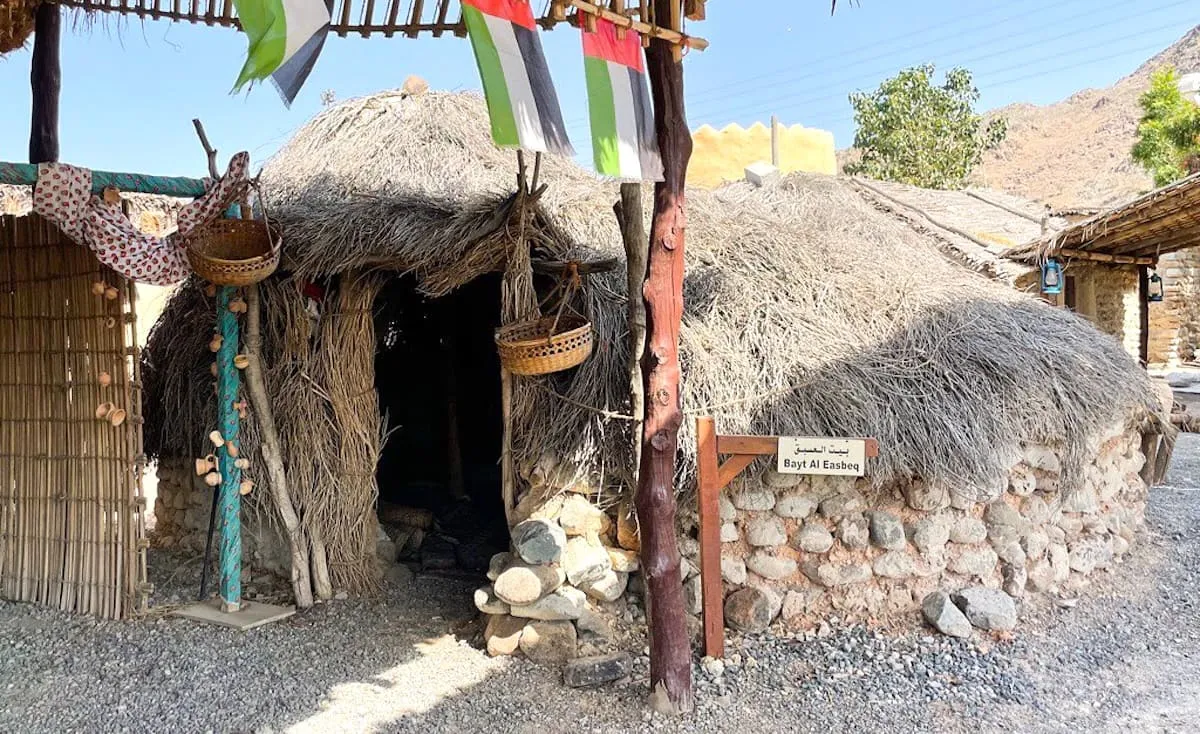
The village is open from 8am to 5.30pm, with free admission. Located just 2 kilometres from the town centre with easy parking, it takes around 45 minutes to visit and can be easily combined with a trip to the overlooking fort and nearby museum.
Fujairah Fort: A thousand-year-old sentinel facing the ocean
History carved in stone
Just above the Heritage Village, accessible by a picturesque staircase that beautifully connects the two sites, Fujairah Fort stands as the emirate's immutable guardian. Built between 1500 and 1550, this imposing monument is one of the oldest defensive structures in the Emirates. Its thick walls have withstood the ravages of time, tribal raids and even British bombardments in 1925.
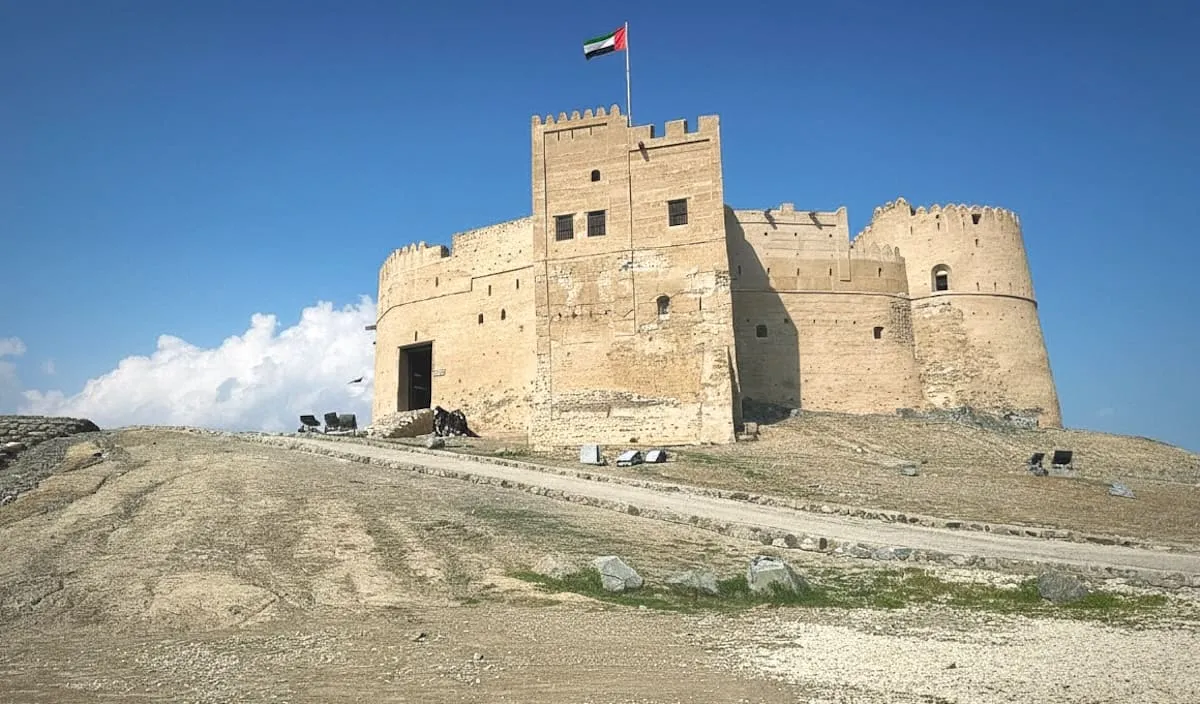
From its ramparts, the panoramic view of the old town, palm trees and sparkling ocean offers a striking perspective on the strategic role this fortress once played. Each arrow slit and watchtower tells the story of pitched battles, endless vigils and smoke signals warning of imminent attacks. The meticulous restoration work undertaken in recent years allows visitors to explore the different rooms and imagine the daily life of the soldiers and the ruling family who lived there.
Fujairah Adventure Park: Between mountains and thrills
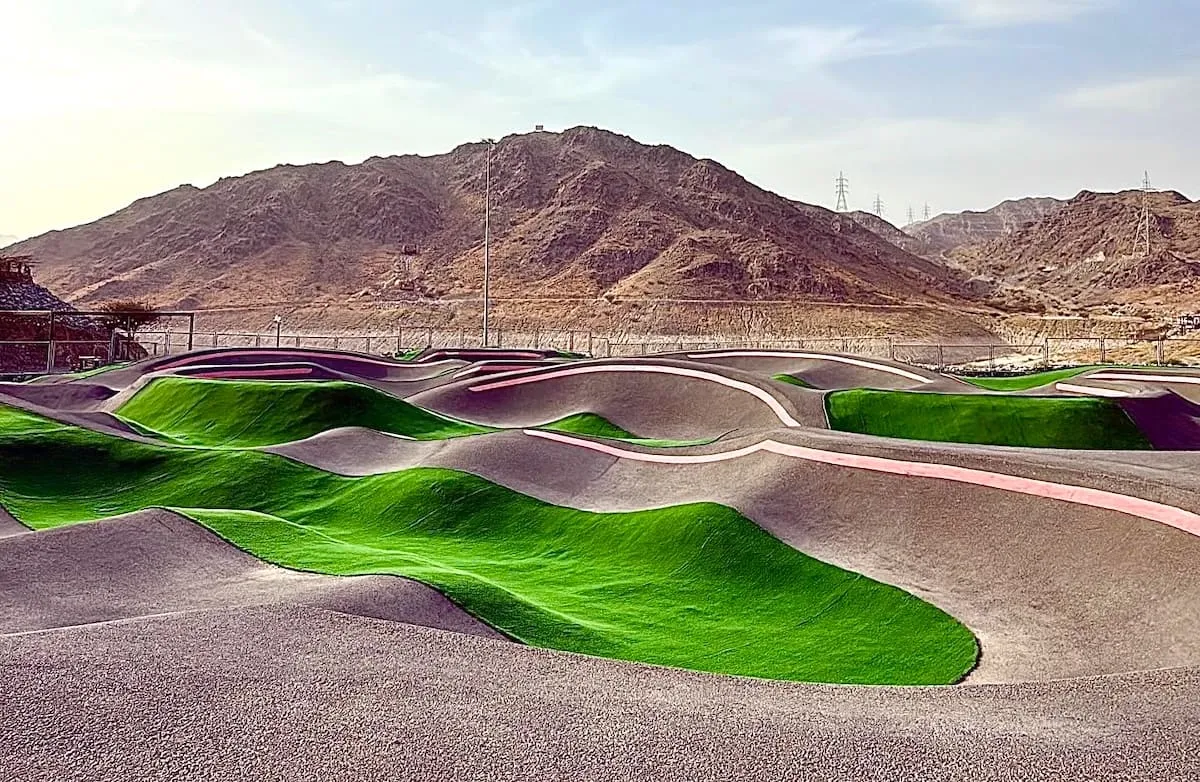
Set around a tranquil lake with the Hajar Mountains in the background, Fujairah Adventure Park offers unrivalled thrills. This park transforms the mountainous emirate into a must-visit destination for adventure seekers.
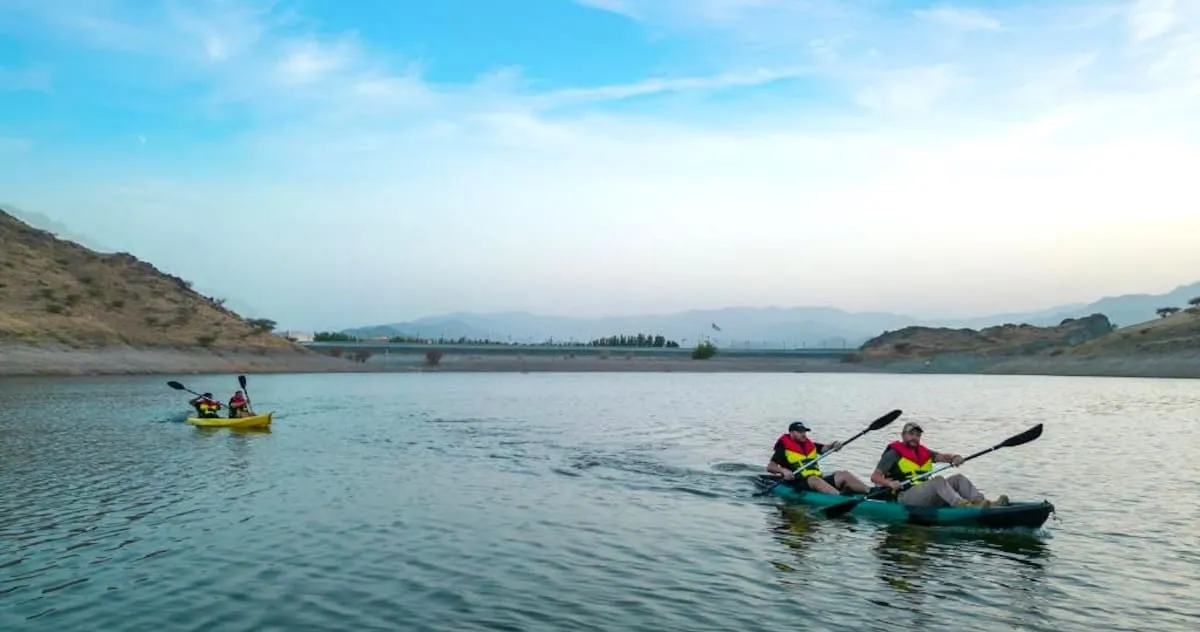
Between calm, serene waters and arid peaks, this adventure park thrills thrill seekers. The experience can be extended into sunset thanks to camping and chalet options, allowing you to spend the night in the heart of the adventure and explore the park in a new light.
The Fujairah Museum: A treasure trove of archaeological finds
Three millennia before your eyes
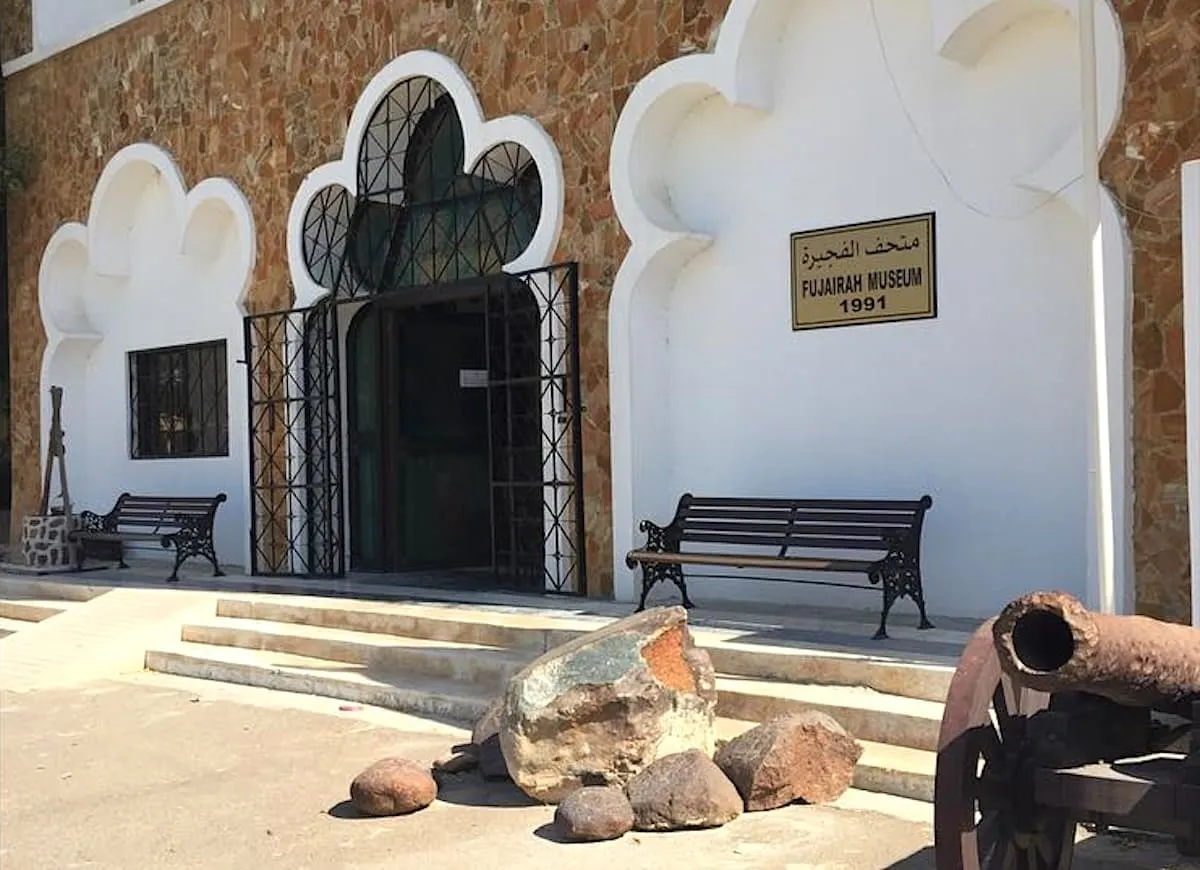
Just 500 metres from Heritage Village, the Fujairah Museum is well worth the AED 5 entrance fee. This compact but remarkably well-designed institution houses artefacts covering more than 3,000 years of human occupation in the region. The display cases showcase Neolithic pottery, bronze weapons, delicate jewellery and ancient coins that bear witness to the trade routes that once crossed these lands.
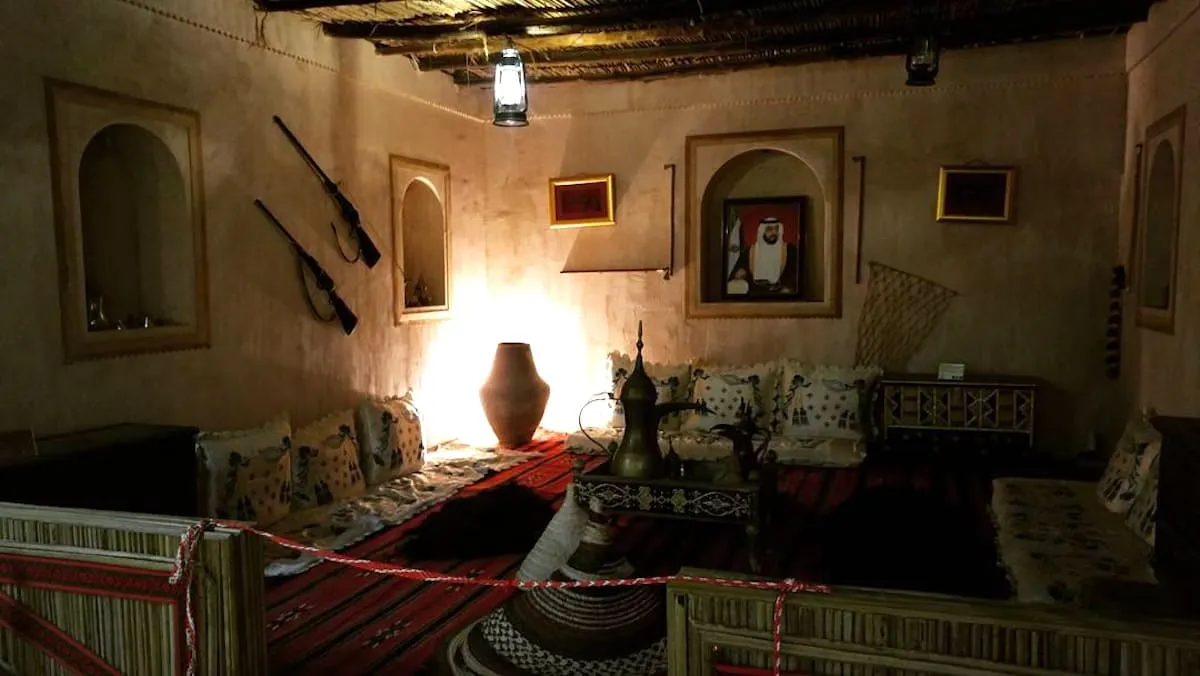
The ethnographic section perfectly complements a visit to Heritage Village with authentic objects: agricultural tools, fishing implements, traditional silver jewellery and ceremonial costumes. Detailed explanations help visitors understand how the inhabitants of Fujairah navigated Persian, Ottoman and Portuguese influences while preserving their own identity.
Al Badiyah Mosque: An architectural gem from the 15th century
The oldest mosque in the Emirates awaits you
Fifteen minutes' drive north of Fujairah stands a gem of striking simplicity: the Al Badiyah Mosque, dating from the 15th century, the oldest mosque still standing in the United Arab Emirates. Its architecture of raw earth and stone, its four asymmetrical domes supported by a single central pillar, its prayer hall that can accommodate around forty worshippers: everything evokes a time when the divine was sought in simplicity and purity.
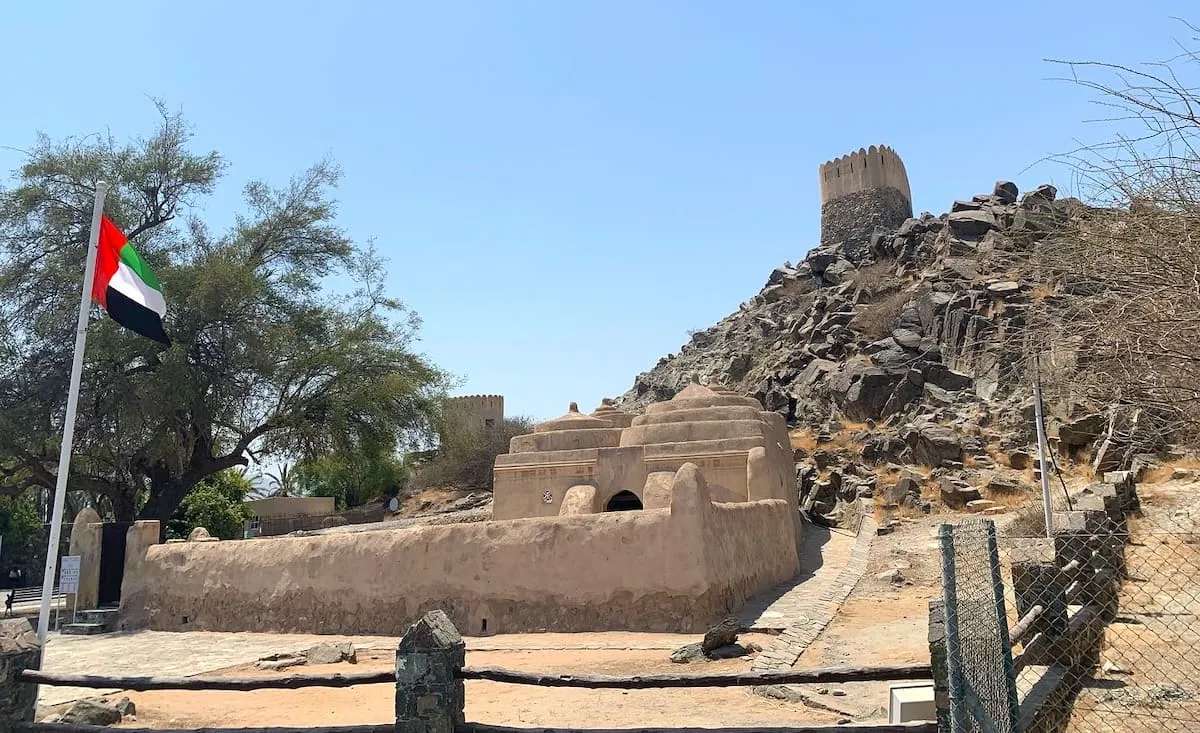
The meticulously restored building exudes a palpable serenity. Non-Muslims can admire it from the outside and explore the small adjacent interpretation centre, which contextualises its historical and spiritual importance. The site overlooks the Arabian Sea, offering an exceptionally photogenic setting, particularly at sunset when the slanting rays set the ochre walls ablaze.
Sheikh Zayed Mosque: Contemporary splendour
When modernity celebrates tradition
Fujairah has its own version of the Sheikh Zayed Mosque, more modest than its sister in Abu Dhabi but equally impressive in its harmonious proportions. Opened in 2014, it can accommodate up to 28,000 worshippers and features 60 domes of various sizes, flanked by six slender minarets rising to a height of 100 metres.
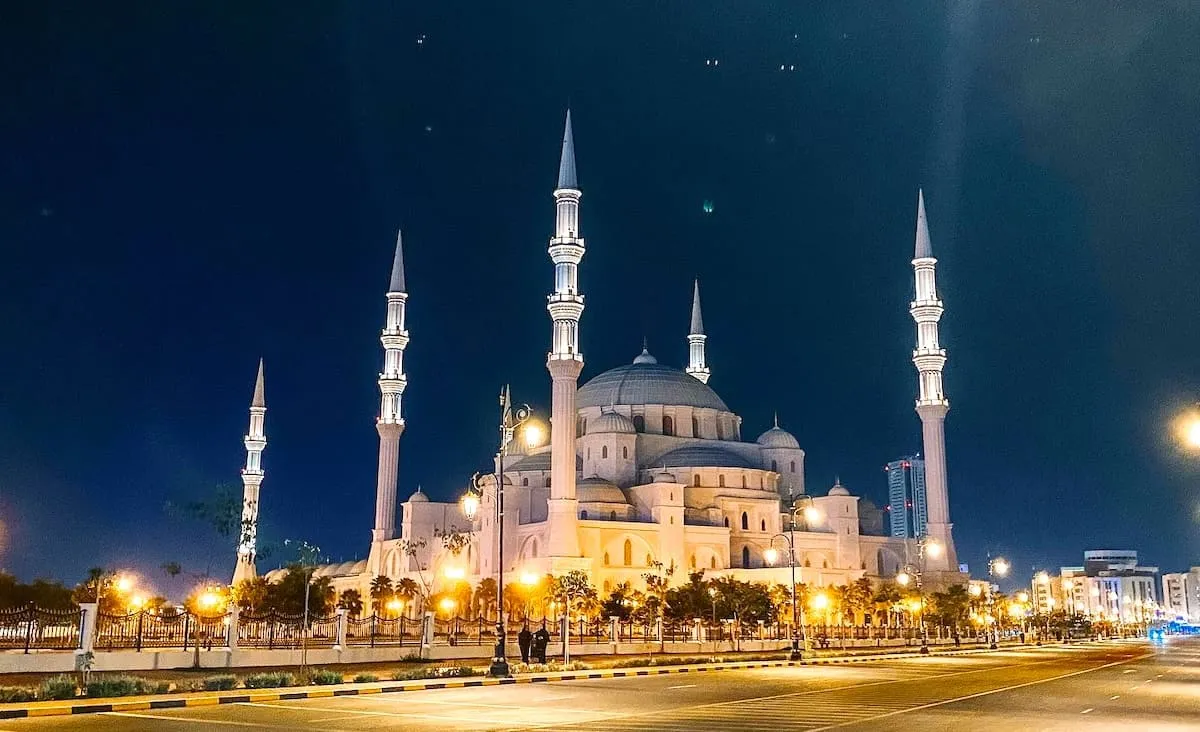
The interior, which is open to visitors on guided tours, reveals marble work, calligraphy and chandeliers of remarkable finesse. The landscaped gardens surrounding it, particularly beautiful in the late afternoon, offer a haven of peace with their fountains and carefully aligned palm trees.
This mosque embodies the vision of Sheikh Zayed bin Sultan Al Nahyan, who wanted each emirate to have a monumental place of worship celebrating Islamic identity while welcoming visitors from all over the world.
The beaches of Fujairah: An unspoilt paradise on the Indian Ocean
Umbrella Beach: The Gulf's best-kept secret
Forget Dubai's artificial beaches. In Fujairah, it is the Indian Ocean that laps the sand, bringing clearer, calmer waters that are rich in marine life. Umbrella Beach (Al Aqah Beach), located 30 minutes north of the city, is worth the trip alone. Its pristine sand, translucent turquoise waters and coral reefs accessible from the shore make it a paradise for divers and snorkelers.
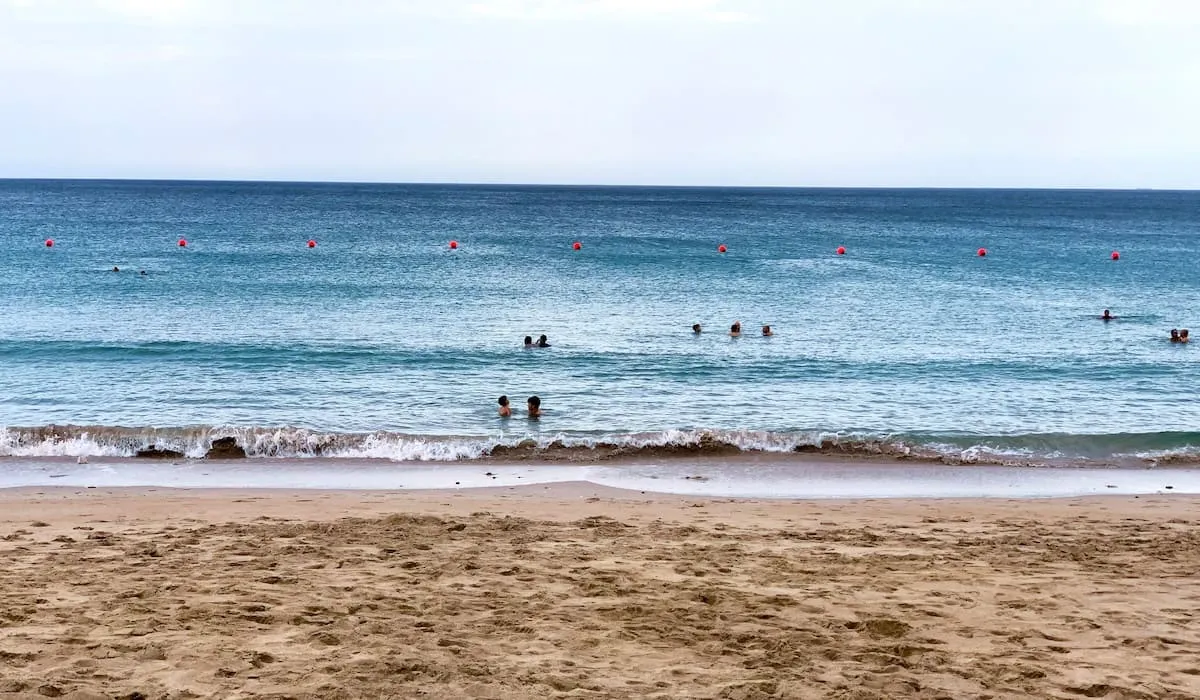
Unlike the expensive private beaches in other emirates, here you can rent a deckchair and parasol for a few dirhams or simply lay out your towel for free. At weekends, Emirati families flock here for picnics, creating a friendly and authentic atmosphere. Several resorts line the beach, offering day passes that include access to swimming pools and restaurants if you're looking for more comfort.
Snoopy Island: Dream diving accessible to all
Off the coast of Al Aqah lies a small rocky island whose profile resembles the famous cartoon dog, hence its affectionate nickname Snoopy Island. This rock is home to one of the most spectacular diving and snorkelling spots in the Emirates. A few strokes from the shore, you can swim among hard and soft corals that are home to clownfish, moray eels, sea turtles, rays and even harmless reef sharks.
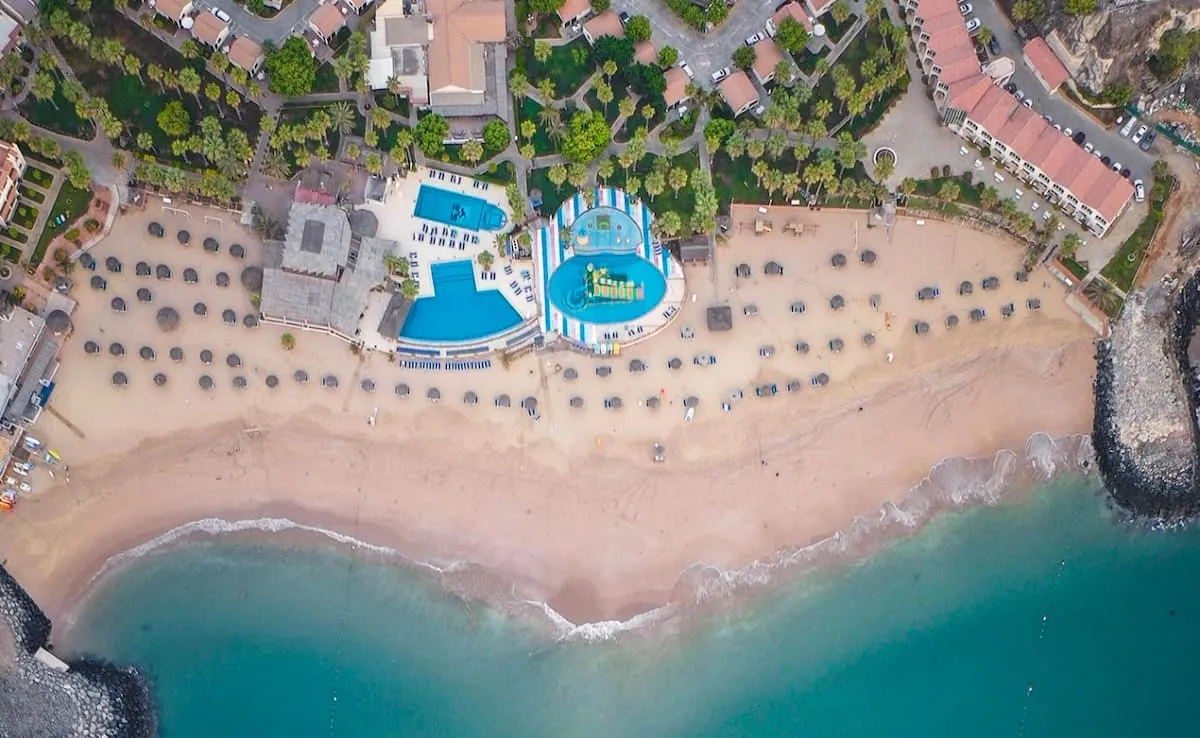
Numerous diving centres on the beach offer introductory dives for beginners and excursions for certified divers. The site is particularly suitable for families: the shallow, calm water reassures children, while adults can venture towards the deeper drop-offs. The often excellent visibility (up to 15-20 metres) makes every dive an unforgettable experience.
Discover all the beautiful beaches of Fujairah
Wadi Wurayah: Mountain oasis and nature reserve
The miraculous desert ecosystem
Forty-five minutes north-east of Fujairah, Wadi Wurayah reveals a little-known side of the Emirates: green valleys with permanent waterfalls and streams, where fig and acacia trees grow and Arabian leopards and caracals roam free. This 127 km² protected nature reserve is the only source of permanent fresh water in the region, an ecological miracle in this arid country.
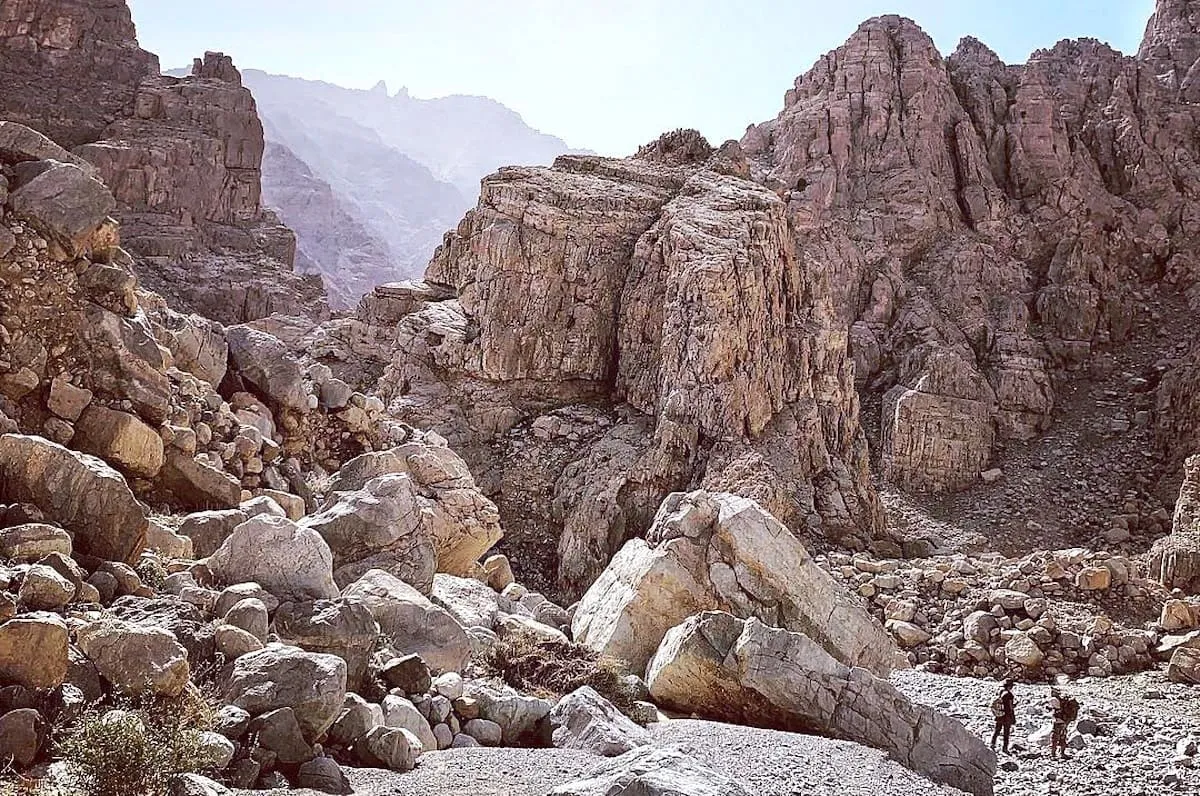
The hike to the main waterfalls takes you through breathtaking landscapes of rocky gorges and turquoise pools where a refreshing swim rewards your efforts. The well-marked trail is suitable for all levels, but be sure to bring good walking shoes, plenty of water and sun protection. Access is regulated to protect the fragile ecosystem, so it is advisable to book via the Emirates Nature website to guarantee your entry, especially during high season.
Bithnah Fort: A restored gem off the tourist trail
The fort that guidebooks forget
Halfway between Fujairah and Masafi, Bithnah Fort is definitely worth a stop. Built in the 18th century to control the trade routes crossing the Hajar Mountains, this rectangular fort with imposing round towers was beautifully restored in 2018. Its sleek architecture, cool vaulted rooms and ramparts offering spectacular views of the surrounding palm grove make it a serious competitor to Fujairah Fort, with the advantage of welcoming far fewer visitors.
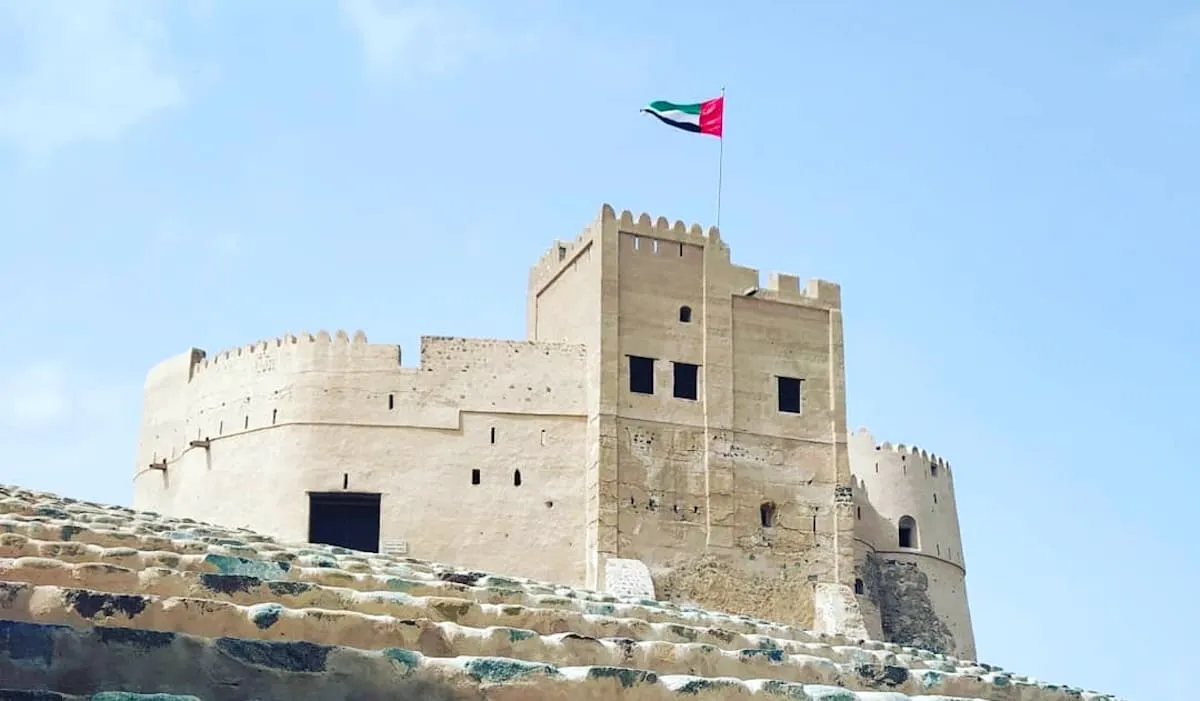
The visit, which is also free of charge, allows you to explore the different levels at your leisure, admire the traditional construction techniques and understand the strategic importance of these fortresses, which formed a surveillance network covering the entire emirate. The site is particularly photogenic at sunset, rewarding those who venture off the beaten track.
Fujairah Fish Market and Souq: Authenticity brought to life
The pulse of traditional Fujairah
To experience the authentic rhythm of Fujairah, head to the fish market in the early morning. From 6 a.m., fishermen unload their nightly catch: silvery tuna, giant groupers, wriggling prawns and colourful squid. The electric atmosphere, lively negotiations in Arabic, the smell of the sea and the cries of seagulls create a total sensory experience. The fishermen are happy to pose for photos and share a few words about their ancestral techniques, passed down from father to son for generations.
Continue your immersion in the adjacent traditional souq, where heady spices, colourful tropical fruits, fresh vegetables and dozens of varieties of soft dates are piled high. The stalls also offer Persian rugs, incense, hammered copper teapots and traditional embroidered clothing.
The relative absence of tourists guarantees fair prices and authentic exchanges with traders who take the time to explain the origin of their goods over a cup of mint tea.
Recommended cultural tours and itineraries
The heritage tour (full day)
Start early at Heritage Village at 8 a.m. to avoid the heat, then continue on to the fort just above (1.5 hours in total). Head down to the Fujairah Museum until 11 a.m. Stop for lunch at a local restaurant serving makhbous (spiced rice with meat) or grilled fish. In the afternoon, drive to Al Badiyah Mosque (45-minute tour including the interpretation centre). Return via Bithnah Fort if time allows, otherwise save it for another day. Finish at sunset at Sheikh Zayed Mosque for the perfect photo with the golden light.
The nature and beaches tour (one to two days)
Day 1: Morning at Umbrella Beach for snorkelling around Snoopy Island, with the option of a first dive if you have never been underwater with a tank before. Lunch at one of the beachfront resorts. Afternoon relaxing on the sand or exploring the other beaches of Al Aqah.
Day 2: Early morning departure for Wadi Wurayah (advance booking required). Hiking and swimming in the natural pools (allow 3-4 hours on site). Return via the coastal road with photo stops in traditional fishing villages.
The off-the-beaten-track tour (half day)
For travellers who have already visited the main sites or are looking for something more exclusive: start with Bithnah Fort at sunrise (exceptional light, solitude guaranteed). Drive to the mountain villages of Masafi, famous for its mineral water and its Friday market, which attracts people from all over the region.
Explore lesser-known secondary wadis such as Wadi Siji. Lunch at a traditional farm offering a farm-to-table experience. Return via the Hajar Mountain Scenic Route, one of the most spectacular roads in the Emirates.